
Cedar fences in Cincinnati: Cedar, and why we reach for it first.
Western red cedar is the wood we recommend when the look matters and upkeep should stay light. Here is what it is, how it ages, and how it compares with pressure-treated pine.
- Wood
- Western red cedar
- Fences
- Privacy and split-rail
- Price
- [CEDAR PREMIUM PER FOOT] more per foot than pine
- Finish
- Stain and gates included
- Warranty
- [3] years workmanship, in writing
The wood
What western red cedar is.
A light, straight-grained softwood, and a natural fit for a fence.
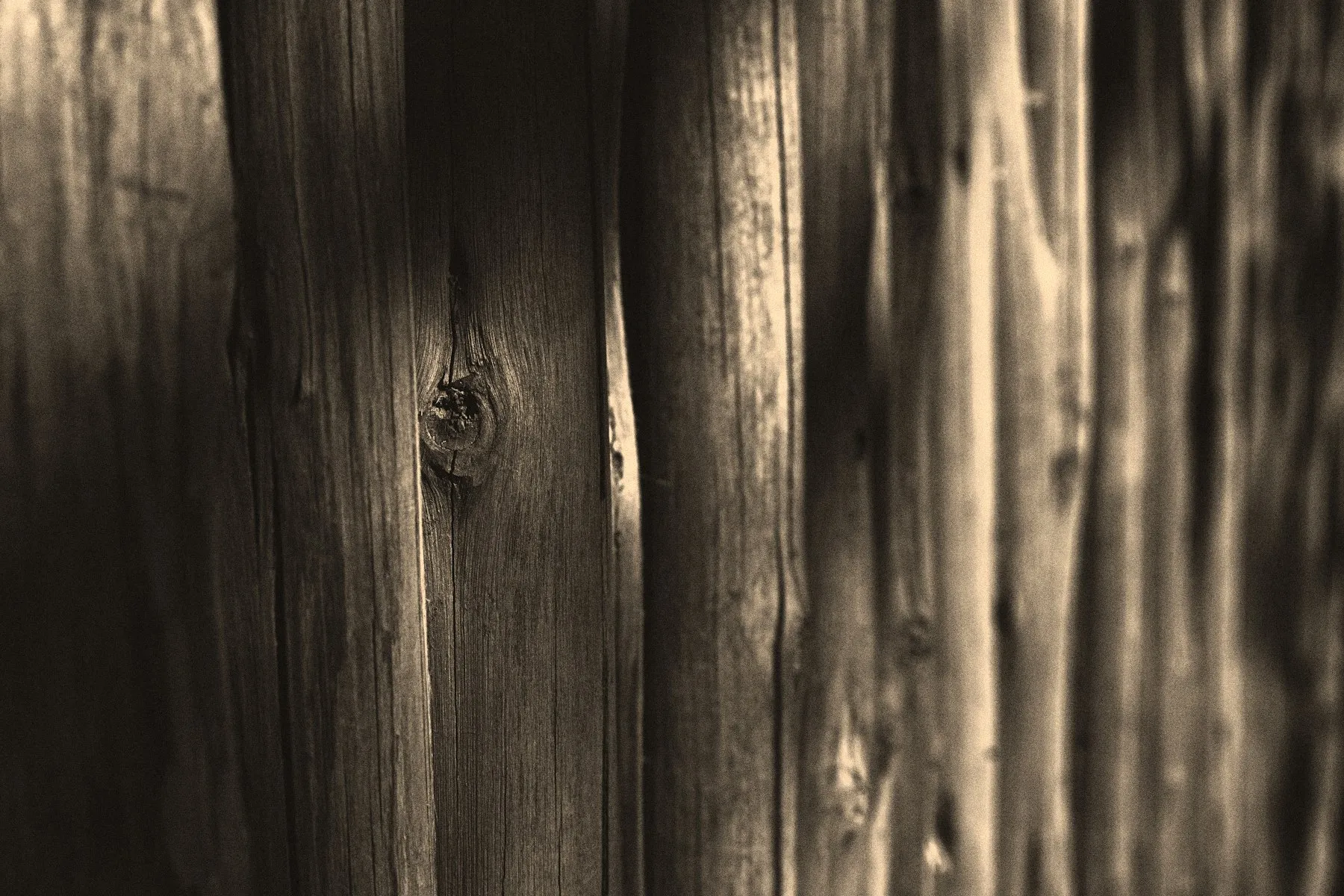
Western red cedar is a softwood that grows in the Pacific Northwest and is shipped to Ohio for fencing. It is light, straight-grained and rich in natural oils, and those oils are what give it its resistance to rot and to insects.
It is also one of the more stable woods used for fences. It stays flatter as it dries, and it splits and twists less than most pine. That is why boards laid tight against each other stay tight, season after season.
Resistant is not the same as immune. Cedar that stays wet will eventually decay, so the posts, the drainage at the base of the fence and the way the boards are fastened matter as much as the wood.
Weathering
How cedar ages, and what to do about it.
Left alone, cedar turns silver-gray. Sealed, it keeps its color.
It turns gray, and it stays strong.
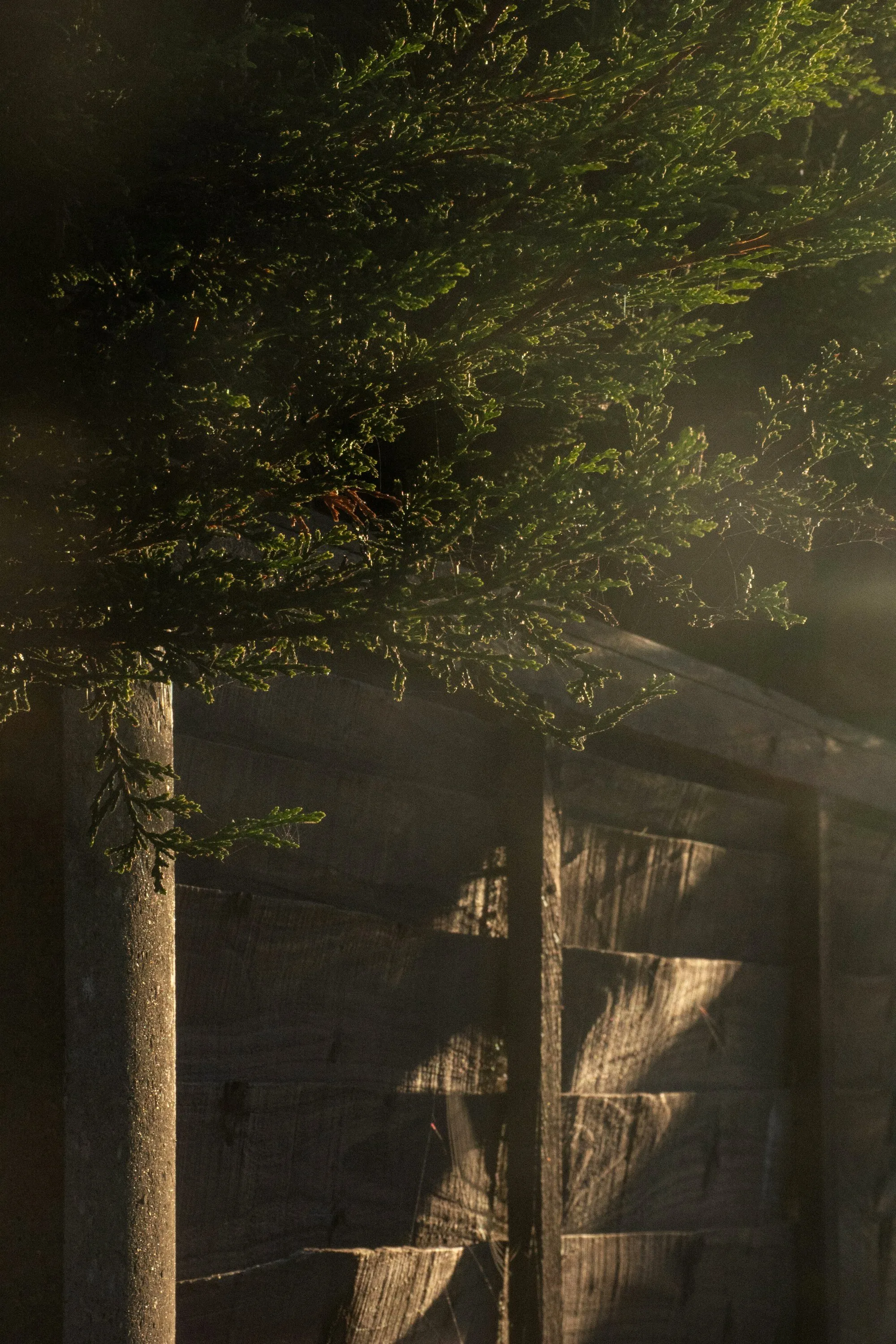
Sunlight breaks down the surface fibers of unfinished cedar. The warm red-brown fades to a soft silver-gray over the first seasons. The color changes. The strength does not.
Sealing keeps the color.
Stain and gates are included with every fence we build, and the stain is the cedar’s first coat of protection. After that, plan to re-seal about every [3] years if you want to hold the warm tone. If you prefer the gray, you can skip it.
Fasteners are part of the wood.
Cedar’s natural acids corrode ordinary steel. The fasteners are named in your proposal, so the connections last as long as the boards.
Cedar or pine
Cedar against pressure-treated pine.
Cedar costs about [CEDAR PREMIUM PER FOOT] more per foot and needs less upkeep. Pressure-treated pine costs less and takes stain well once it has dried.
| Western red cedar | Pressure-treated pine | |
|---|---|---|
| The look | Warm, reddish and straight-grained. Weathers to silver-gray unless it is sealed. | Paler, with a greenish cast at first. Takes stain well once it has dried. |
| Upkeep | Seal every [3] years to keep the color, or let it gray. | Re-stain every [2–3] years to protect the finish and slow cracking. |
| Cost | About [CEDAR PREMIUM PER FOOT] more per foot installed. | The lower-cost option, at the same height and style. |
| Movement | Stays flatter as it dries. Fewer split boards and fewer twisted ones. | Moves more as it dries. Expect some twisting, checking and gaps in the first year. |
| Rot and insects | Natural oils resist both. Resistant, not immune. | Preservative is forced into the wood under pressure. Posts are rated for ground contact. |
| Best for | Yards where the look matters most and upkeep should be light. | Longer runs and tighter budgets, with a stain you are happy to renew. |
Where we use it
Cedar in both of our fences.
The same posts, the same named fasteners and the same written terms, whichever wood you choose.
Wood privacy fences
Cedar gives a privacy fence its warmest look and its flattest boards. Board-on-board, shadowbox or lattice top, the build is the same.
See privacy fencesSplit-rail fences
Cedar is the traditional wood for split rail, and it suits the open look. Two rails or three, with or without mesh.
See split-rail fencesQuestions
Questions about cedar.
Short answers, without the sales pitch.
Does cedar rot?
Cedar resists rot and insects because of natural oils in the wood, but it is resistant, not immune. Wood that stays wet will eventually decay, which is why the posts and how they are set matter as much as the boards. Your proposal names the post material.
Why does cedar turn gray?
Sunlight breaks down the surface fibers of unfinished cedar, and the warm red-brown color fades to a silver-gray. It is a change in color, not in strength. If you like the gray, do nothing. If you want to keep the color, the fence needs a sealer or stain on schedule.
Do I have to seal a cedar fence?
No, but sealing keeps the color. Stain is included with every fence we build, and it gives the cedar its first coat of protection. After that, plan to re-seal about every [3] years if you want to hold the warm tone, or let the fence weather to gray on its own.
Is cedar worth the extra cost over pine?
It depends on what you value. Cedar costs about [CEDAR PREMIUM PER FOOT] more per foot, and in return it stays flatter, splits less and needs less upkeep. Pressure-treated pine is a sound fence at a lower price. We will price both for your yard and let you decide.
Which of your fences can be built in cedar?
Both. We build wood privacy fences and split-rail fences in western red cedar or pressure-treated pine. The cedar option has the same post depth, named fasteners, fixed price, stain and gates, and written warranty terms as pine. Only the wood, the look and the price change.
Request an estimate
Every fence begins with a walk around the yard.Let’s take yours.
Tell us where the fence goes. We reply within one business day, visit the property, and put one fixed price in writing.
Or call (513) 503-1422.